PET Bottle Hot Washing Recycling Machine Technology Flow Guide
A PET Bottle Hot Washing Recycling Machine transforms dirty post-consumer bottles into high-purity recycled PET flakes through a precise process of hot washing, sorting, crushing, separation, and drying-ensuring clean, high-value material for modern recycling requirements.
With plastic recycling becoming a global priority, the hot washing process has quickly become the gold standard for producing high-purity recycled PET flakes. A modern PET Bottle Hot Washing Recycling Machine is no longer just a washer; it is a complete technological system that transforms dirty post-consumer bottles into clean, high-value materials ready for reuse in packaging, textiles, and pelletizing.
This guide breaks down the entire flow-from bottle sorting to final flake output-and explains why hot washing has become essential for today's recycling lines.
1. Pre-sorting: Building the Foundation
Effective recycling starts with proper sorting. Removing metals, PVC, and non-PET plastics ensures stable downstream performance and reduces machine wear. Optical sorting can handle large volumes, but manual inspection remains crucial for maximizing purity.
2. Crushing: Turning Bottles into Washable Flakes
Bottles are fed into a granulator to be cut into consistent flakes. Water-assisted crushing reduces friction heat, preserves blade life, and removes early-stage dirt, providing a cleaner input for the next steps.
3. Cold Pre-Wash: Rinsing Off the Big Stuff
Before hot washing, flakes undergo a cold rinse to remove soil, sand, labels, and sugary residues. This step significantly reduces the contamination load entering the hot wash tank.
4. Hot Washing: The Core of Deep Cleaning
Hot washing at 85°C–95°C with controlled chemical dosing removes glue, oil, bottle adhesives, and stubborn contaminants. In advanced systems such as the PET Bottle Hot Washing Recycling Machine, continuous agitation ensures uniform cleaning and optimized contact time.
5. Float–Sink Separation & Rinsing
After hot washing, PET flakes pass through float-sink tanks where PET sinks while PP/PE caps and labels float. Multiple clean-water rinsing stages remove chemical residues and remaining fine impurities.
6. Dehydration and Thermal Drying
A centrifugal dryer or squeezing dryer reduces moisture quickly. Some systems include hot air drying to achieve <1% moisture-ideal for pelletizing and long-term storage.
7. Final Quality Control & Packaging
Before packaging, flakes go through metal detectors, dust removers, and screening equipment. The result is clean, uniform, odor-free PET flakes ready for reuse in high-value applications.
Why Hot Washing Matters in Modern PET Recycling:
Hot washing improves:
- PET quality
- Energy efficiency
- Adhesive removal
- Material value
- Compliance with food-grade processing requirements
As sustainability demands rise, advanced systems like the PET Bottle Hot Washing Recycling Machine provide recyclers with the reliability and output quality they need to stay competitive.
Global Demand for Clean rPET Is Rising:
From fashion brands using recycled fibers to beverage companies switching to rPET bottles, demand for ultra-clean recycled PET has skyrocketed. Hot washing systems play a central role in meeting these strict cleanliness standards.
How Hot Washing Improves Food-Grade rPET Quality:
Regulations for food-grade recycling require near-complete removal of:
- adhesives
- organic residues
- odors
- chemicals
- microorganisms
The deep cleaning provided by a hot washing line significantly increases the likelihood that the flakes can meet FDA/EFSA standards when paired with SSP (Solid State Polymerization).
Energy & Water Optimization Technologies
Modern machines use:
- Heat-recovery systems
- Water filtration
- Multi-layer sedimentation
- Automatic chemical dosing
These reduce operating costs while improving stability and cleanliness.
Choosing the Right Hot Washing Machine:
Key factors include:
- Capacity (500 kg/h to 3,000+ kg/h)
- Water recycling design
- Stainless steel grade
- Chemical-resistance coating
- Consistent temperature control
- Durability of friction washers
Maintenance Tips:
- Clean filters daily
- Replace friction washer blades regularly
- Check motor bearings
- Track water pH
- Inspect separation tanks for buildup
A well-maintained unit delivers consistent quality and reduces downtime.
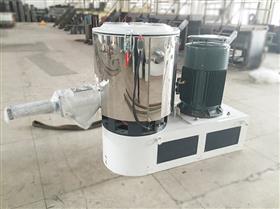
What Are the Preparatory Steps and Working Procedures for a Mixer
Efficient mixing starts with proper preparation,precise operation,and careful maintenance.Learn key steps to ensure consistent,high-quality blending.
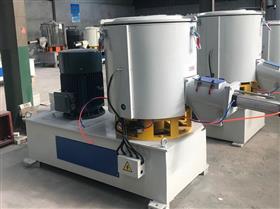
How to Choose a High-Speed Mixer
Learn how to choose the right high-speed mixer for your production line.Compare types,materials,and features to find the best industrial mixer for your needs.

Main Factors Affecting Mixing Time in High Speed Mixing Machines
Improve your production efficiency with the Audop High Speed Mixing Machine.Learn the key factors that affect industrial mixing time-material properties,blade design,batch size,temperature control,and operator settings-to achieve faster,more consistent mixing results.
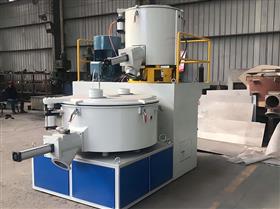
Advantages of SRL-Z Series Vertical Mixing Unit
Discover the advantages of the SRL-Z Series Vertical Mixing Unit-a high-efficiency,durable,and energy-saving mixing system designed for PVC,and plastic material production.Learn how this advanced hot and cool mixing unit from Audop improves uniformity.
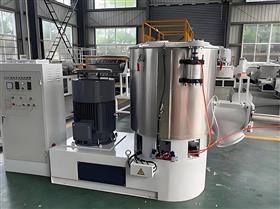
Why Are High-Speed Mixers So Widely Used
Discover why high-speed mixers are essential in modern manufacturing.Learn how the Audop High Speed Mixing Machine delivers fast,consistent,and efficient performance across plastics,chemicals,and food industries.